Bonus Timing and Loyalty Shifts in Unified Betting Ecosystems for Sports and Racing
Written by Taylor Zimmermann · Aug 10, 2026
Bonus Timing and Loyalty Shifts in Unified Betting Ecosystems for Sports and Racing
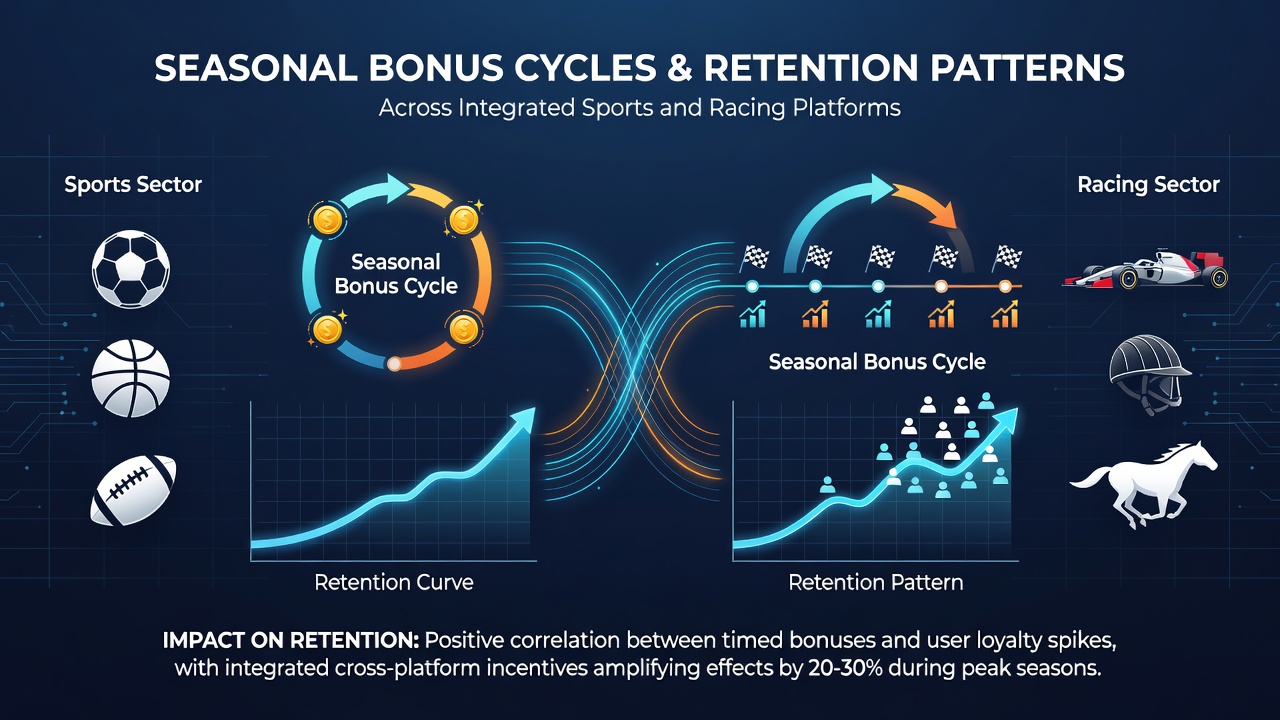
Seasonal bonus cycles operate on predictable calendars that align with major sports leagues and horse racing festivals, creating distinct peaks in promotional activity during summer transfer windows, autumn football campaigns, and winter jumps seasons. Platforms that combine football accumulators with in-play horse racing markets adjust these incentives to maintain activity levels when one sport experiences natural lulls. Data from multi-jurisdictional operators indicates retention rates, measured by weekly active users and repeat deposit frequency, rise noticeably during structured bonus windows while dropping in the intervals between them.
Calendar Alignment Across Disciplines
Operators synchronize bonus structures with overlapping schedules because football seasons stretch from August through May whereas flat and jumps racing maintain year-round fixtures with concentrated high-profile events. In August 2026, several integrated platforms launched deposit-match promotions timed to the start of domestic football leagues alongside late-summer racing festivals, resulting in cross-product engagement where users who began with football multis migrated to evening race cards within the same session. Those who studied platform analytics note that retention metrics improve when bonuses require minimum activity across both verticals rather than isolating one product.
Retention Metrics and Cycle Duration
Studies tracking user cohorts over multiple seasons show that short-cycle bonuses lasting seven to fourteen days generate immediate spikes in login frequency yet produce steeper post-promotion drop-offs compared with extended cycles of four to six weeks. Longer programs allow users to accumulate tiered rewards that encourage continued deposits after the initial incentive expires. Figures compiled by the Alberta Gaming, Liquor and Cannabis Commission reveal that accounts receiving staggered racing-specific free bets alongside sports deposit bonuses maintained higher thirty-day retention than those receiving single-product offers. Observers note the pattern holds across age groups although younger cohorts respond more strongly to instant-match bonuses while older segments show steadier engagement with loyalty multipliers tied to cumulative stakes.
Integration Effects on Cross-Product Behavior
Integrated platforms record elevated migration rates when bonuses span both sports and racing because users discover new markets during the promotional period. One dataset covering North American and European operators found that 38 percent of football-focused users placed their first horse racing wager after completing a multi-sport bonus requirement. Conversely, racing enthusiasts exposed to football cash-out incentives increased their average session length by incorporating live odds checks during race intervals. These behavioral shifts contribute to overall retention because diversified activity reduces the impact of any single sport experiencing fixture gaps or weather disruptions.

Platform data also indicates that bonus cycles incorporating responsible gambling tools such as deposit limits or session reminders achieve more stable long-term retention than purely incentive-driven campaigns. Users who set voluntary caps during promotional periods demonstrate lower churn rates once the cycle concludes, according to internal reports shared at industry conferences. The pattern suggests that structural features reinforcing controlled play complement the retention benefits of seasonal offers.
Regional Variations in Cycle Design
Different regulatory environments shape how operators construct seasonal incentives. In jurisdictions with strict advertising rules, platforms emphasize existing loyalty programs rather than new-user acquisition bonuses, leading to steadier retention curves throughout the year. Australian research published by the Australian Gambling Research Centre examined seasonal patterns across state-licensed apps and found that racing-heavy markets experience sharper retention fluctuations around major carnivals compared with football-dominant regions. European operators, facing varying tax regimes, tend to front-load larger bonuses in lower-tax periods to offset quieter months, producing measurable differences in cross-border user migration during August transitions.
Future Cycle Adjustments
Operators continue refining cycle timing based on predictive modeling that incorporates weather forecasts, fixture congestion, and historical wagering volumes. Early indicators from 2026 suggest increased use of micro-cycles lasting three to five days positioned between major events to prevent engagement valleys. These shorter interventions appear particularly effective at retaining users who have completed longer seasonal programs and might otherwise reduce activity. Retention software now segments users by historical product preference so that racing enthusiasts receive targeted horse-racing reloads while football users see accumulator boosts, further tightening the link between bonus delivery and sustained platform use.
Conclusion
Seasonal bonus cycles exert measurable influence on retention patterns when platforms integrate sports and racing products because aligned incentives encourage diversified engagement and reduce the effect of individual sport off-seasons. Evidence from regulatory datasets and operator analytics demonstrates that cycle length, cross-product requirements, and responsible gambling integration each contribute to how long users remain active after promotional periods end. As operators refine these structures through data-driven segmentation, retention outcomes continue to reflect the careful synchronization of bonus timing with the natural rhythms of football leagues and racing calendars.