Charting Player Pathways in Unified Betting Platforms to Maximize Promotional Rewards
Written by Carlo Powell · Aug 1, 2026
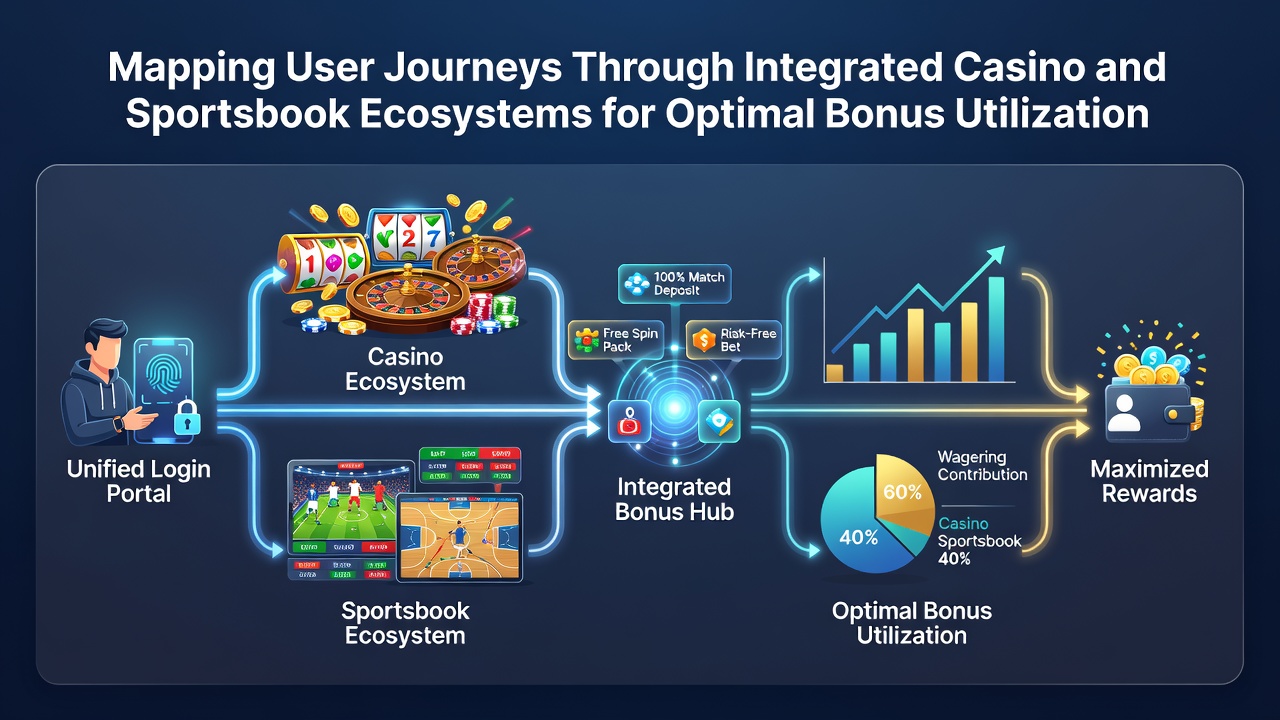
Charting Player Pathways in Unified Betting Platforms to Maximize Promotional Rewards
Integrated casino and sportsbook ecosystems combine slot machines, table games, live dealer options, and sports wagering into single accounts that share player data across verticals. Operators track deposits, wagers, and session lengths to deliver tiered rewards that span both casino play and sports betting. Research from the University of Nevada Reno's International Gaming Institute shows these unified systems increased average player retention by 18 percent between 2024 and 2026 because users encounter fewer barriers when moving between product types.
Defining the Core Stages of a Player Journey
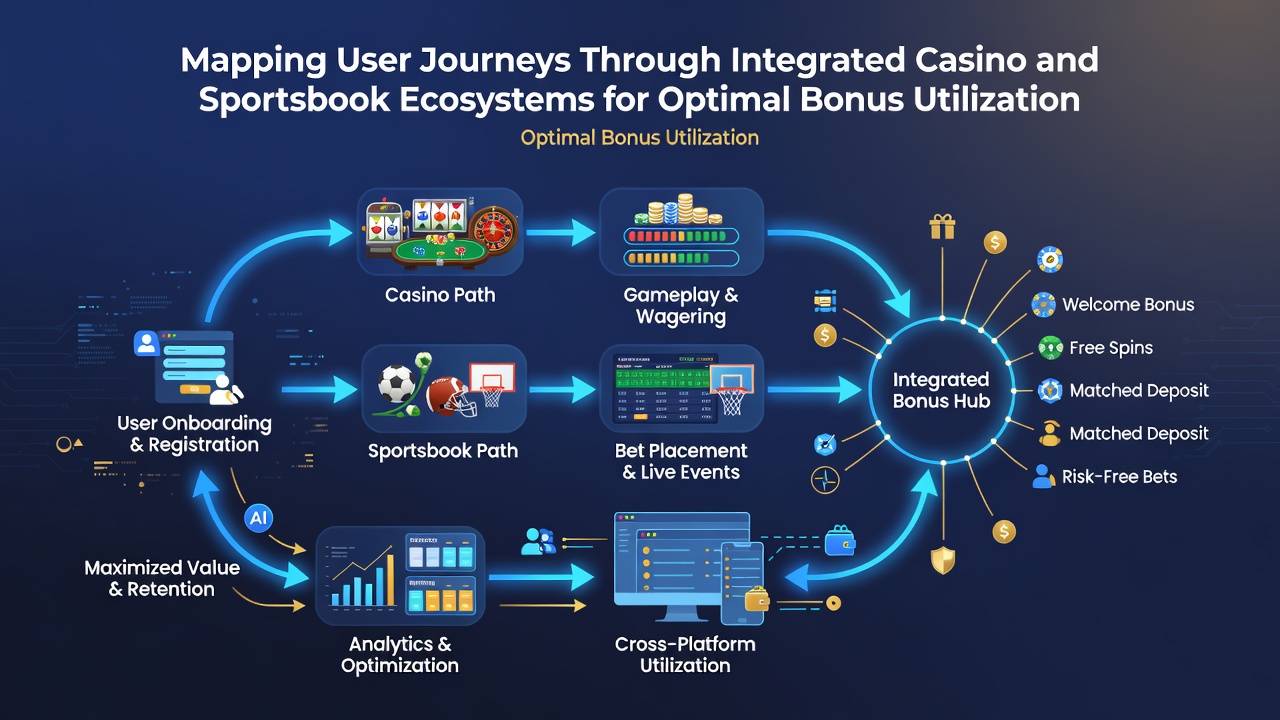
Mapping begins with account registration and initial deposit, where welcome packages often split between casino free spins and sportsbook bet credits. The second stage involves early wagering patterns that trigger reload offers or cashback on net losses. Observers note that players who complete both a casino spin sequence and a sports accumulator within the same week unlock cross-product multipliers more frequently than those who stay in one vertical. Data from the Nevada Gaming Control Board indicates that in the first half of 2026, 42 percent of bonus redemptions in integrated platforms occurred after users switched product types at least once per session.
Subsequent stages cover progression through loyalty tiers, where accumulated points convert into free bets or casino credits based on overall activity rather than isolated game categories. The final stage focuses on withdrawal and bonus expiration windows, during which players time cashouts to preserve remaining promotional value. Those who've studied these flows find that clear expiration calendars reduce forfeited rewards by up to 27 percent when displayed prominently in mobile apps.
Tools and Data Points Used in Journey Mapping
Analytics teams rely on event tracking that logs every deposit method, game launch, and bonus claim. Heat maps reveal peak times when users shift from sports pre-match betting to casino sessions, often after major football fixtures end. Session replay software captures navigation paths that lead to optimal bonus stacking, such as completing a deposit requirement in slots before claiming a sports free bet. Industry reports from the Canadian Gaming Association highlight that platforms employing real-time journey visualization cut support ticket volume related to bonus confusion by 31 percent in 2025.
Regional Regulatory Influences on Bonus Structures
Rules in different jurisdictions shape how bonuses appear within integrated systems. Australian state regulators require clear separation of wagering requirements for casino and sports products even when accounts remain unified. European markets outside the UK enforce spending caps that reset across both verticals, forcing operators to adjust journey prompts accordingly. As of August 2026 several Canadian provinces updated disclosure standards so players receive automated alerts when approaching daily loss limits while holding active bonus funds. These changes prompted developers to embed journey checkpoints that pause bonus offers until users acknowledge updated terms.
Operators respond by designing conditional paths that adapt to location-based rules without fragmenting the user experience. For instance, a player in Ontario might see a combined casino-sports bonus meter that respects provincial caps, while the same software presents separate meters for users in jurisdictions without unified limits. The approach maintains compliance while preserving the seamless feel that encourages continued play across products.
Practical Mapping Techniques Operators Apply
Teams start with persona development that groups users by deposit frequency, preferred sports leagues, and average casino stake size. They then overlay bonus eligibility rules onto these personas to predict which offers generate the highest completion rates. A/B testing compares journeys that front-load casino requirements against those that interleave sports and slots tasks. Results from a 2025 study published in the Journal of Gambling Studies showed that interleaved requirements produced 14 percent higher completion rates among users who bet on both football and roulette within the same week.
Feedback loops close when support logs and in-app surveys feed back into the mapping software. Adjustments appear quickly, such as moving a sports free bet claim button closer to the casino lobby exit or adding a progress bar that spans both verticals. These iterative changes keep the mapped pathways aligned with actual behavior rather than assumed sequences.
Conclusion
Effective mapping of user journeys through integrated casino and sportsbook platforms relies on detailed event data, regulatory awareness, and continuous testing of bonus sequences. Platforms that connect registration, wagering, tier progression, and withdrawal stages deliver higher redemption rates while meeting location-specific rules. Continued refinement of these pathways, informed by sources such as the Nevada Gaming Control Board and academic gaming institutes, supports consistent player engagement across product types without requiring separate accounts or repeated onboarding steps.