Cross-Border Digital Wallet Networks: Regional Caps Redefining Multi-Sport Bet Returns in British Applications
Written by Sam Otto · Jun 24, 2026
Cross-Border Digital Wallet Networks: Regional Caps Redefining Multi-Sport Bet Returns in British Applications
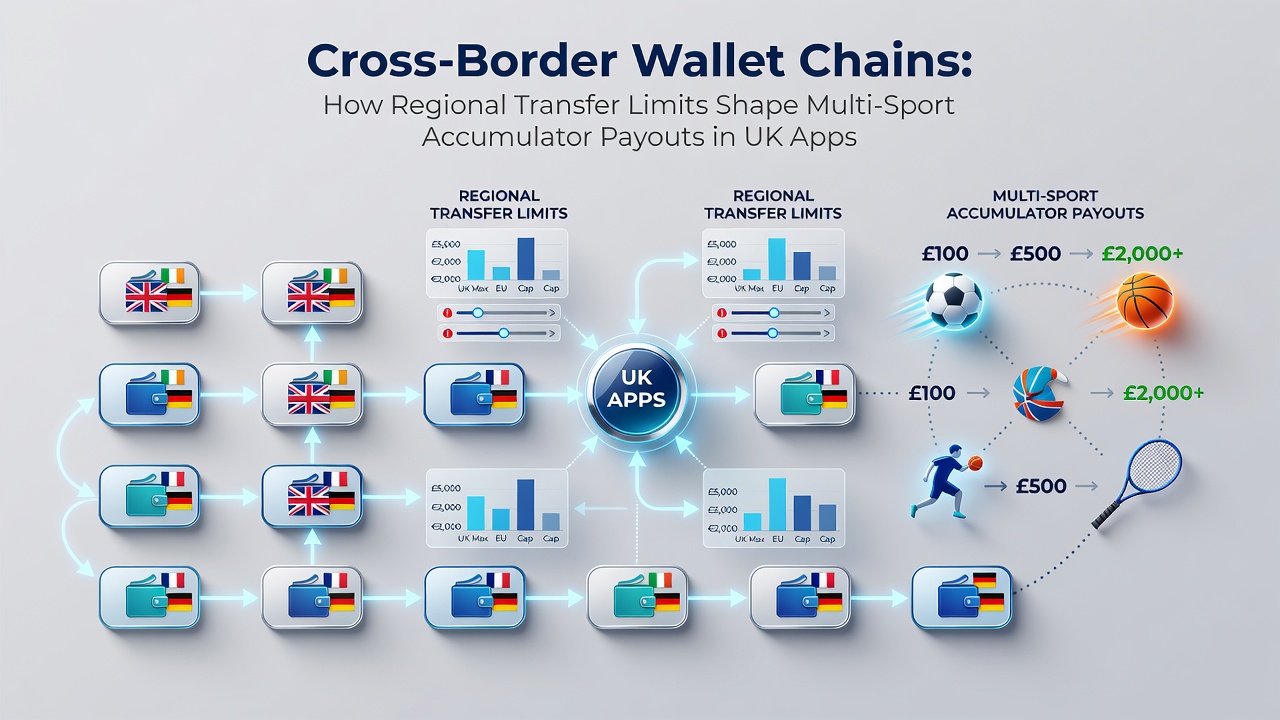
Cross-border wallet chains operate as interconnected payment pathways that route funds through multiple jurisdictions before reaching UK betting applications, and regional transfer limits imposed by various countries directly influence how multi-sport accumulator payouts are processed and received. Observers note that these chains often involve sequential approvals where each region's cap on transaction volumes or frequencies determines the final settlement timeline for winnings from combined football, tennis, and basketball bets placed within British mobile platforms.
Understanding Wallet Chain Mechanics in Betting Contexts
Wallet providers link accounts across borders using protocols that comply with local financial rules, so when a user in the UK initiates a withdrawal from an accumulator that spans several sports the system may route portions of the payout through intermediaries in Europe or Asia before final delivery. Data from payment network analyses shows these hops introduce delays when any single jurisdiction enforces daily or monthly ceilings on outgoing transfers, and this becomes particularly evident during periods of high activity such as major tournaments where accumulator volumes spike.
Impact of Specific Regional Limits on Accumulator Settlements
Countries like those following strict anti-money laundering frameworks cap individual transfers at thresholds that force splitting larger accumulator returns into multiple smaller movements, which extends the overall processing window from hours to several days in some cases. Researchers at international finance institutes have documented how such fragmentation affects liquidity for bettors relying on quick access to funds after successful multi-leg predictions, and one study revealed that chains passing through regions with 5,000 euro daily limits experience measurable bottlenecks compared to direct domestic routes. In June 2026 new compliance updates in certain Asian jurisdictions further tightened these parameters, prompting UK app developers to adjust their backend routing algorithms accordingly.
Those who've examined transaction logs find that accumulators involving less common sport combinations sometimes trigger additional verification steps because the payout amounts exceed standard single-sport thresholds, and this compounds when cross-border segments encounter their own caps. The result is a layered approval process where each wallet node applies its regional rule set before releasing the next portion of the winnings.
How UK Apps Adapt Routing for Multi-Sport Payouts
British betting applications integrate APIs from global wallet providers that automatically select optimal paths based on real-time limit data, allowing them to bypass congested chains and maintain faster delivery of accumulator proceeds. Figures from industry reports indicate that apps employing dynamic rerouting reduced average payout times by noticeable margins during peak months, even as underlying regional restrictions remained unchanged. Experts have observed that this adaptation proves especially useful for users who place accumulators across time zones where overlapping regulatory windows create temporary constraints.
Take one operator who integrated fallback protocols through North American gateways, and that approach allowed continued flow when European segments hit their ceilings, demonstrating how geographic diversification within the wallet chain itself mitigates the effects of any single area's limits. Observers note similar patterns emerging in other markets, with Canadian regulatory bodies publishing guidelines on cross-jurisdictional payment flows that UK developers reference when refining their systems.
Case Examples from Payment Network Studies
Analyses conducted by university research teams in Australia highlight instances where accumulator payouts exceeding certain amounts encountered sequential holds because intermediate wallet nodes operated under strict volume caps tied to anti-fraud measures. These studies found that bettors using chains with fewer hops completed withdrawals more reliably, while longer routes introduced variability depending on the time of month relative to each region's reset cycles. Data shows such patterns persisted into mid-2026, influencing how platforms prioritize direct versus chained connections for different user segments.
Another examination by a European research consortium tracked thousands of multi-sport transactions and revealed that limits in specific Middle Eastern corridors disproportionately affected larger accumulator returns, leading some UK apps to flag those routes during setup. Users who selected alternative wallet providers with stronger direct links experienced fewer interruptions, and this choice became a documented factor in overall satisfaction metrics reported by payment analytics firms.
Future Adjustments in Wallet Infrastructure
Industry organizations continue to explore standardized protocols that could harmonize limit reporting across borders, which would allow UK applications to predict and preempt delays in accumulator settlements. According to reports from global payment associations, pilot programs testing unified dashboards for regional caps have shown promise in reducing friction, although full implementation remains subject to varying national adoption rates. Those monitoring developments point out that ongoing refinements in June 2026 focused on improving transparency within these chains rather than altering the caps themselves.
Conclusion
Regional transfer limits embedded in cross-border wallet chains continue to shape the mechanics of multi-sport accumulator payouts within UK betting apps by dictating routing options and settlement speeds. Evidence from payment studies and regulatory updates demonstrates that operators respond through adaptive technologies and diversified connections, while users encounter outcomes tied directly to the structure of the networks they select. As these systems evolve, the interplay between jurisdictional rules and app functionality remains a central element in determining how winnings from combined sports bets reach their destinations.