20 May 2026
Cross-Discipline Analytics: Mapping Data Connections Between Soccer Performance and Horse Racing Metrics in Betting Platforms
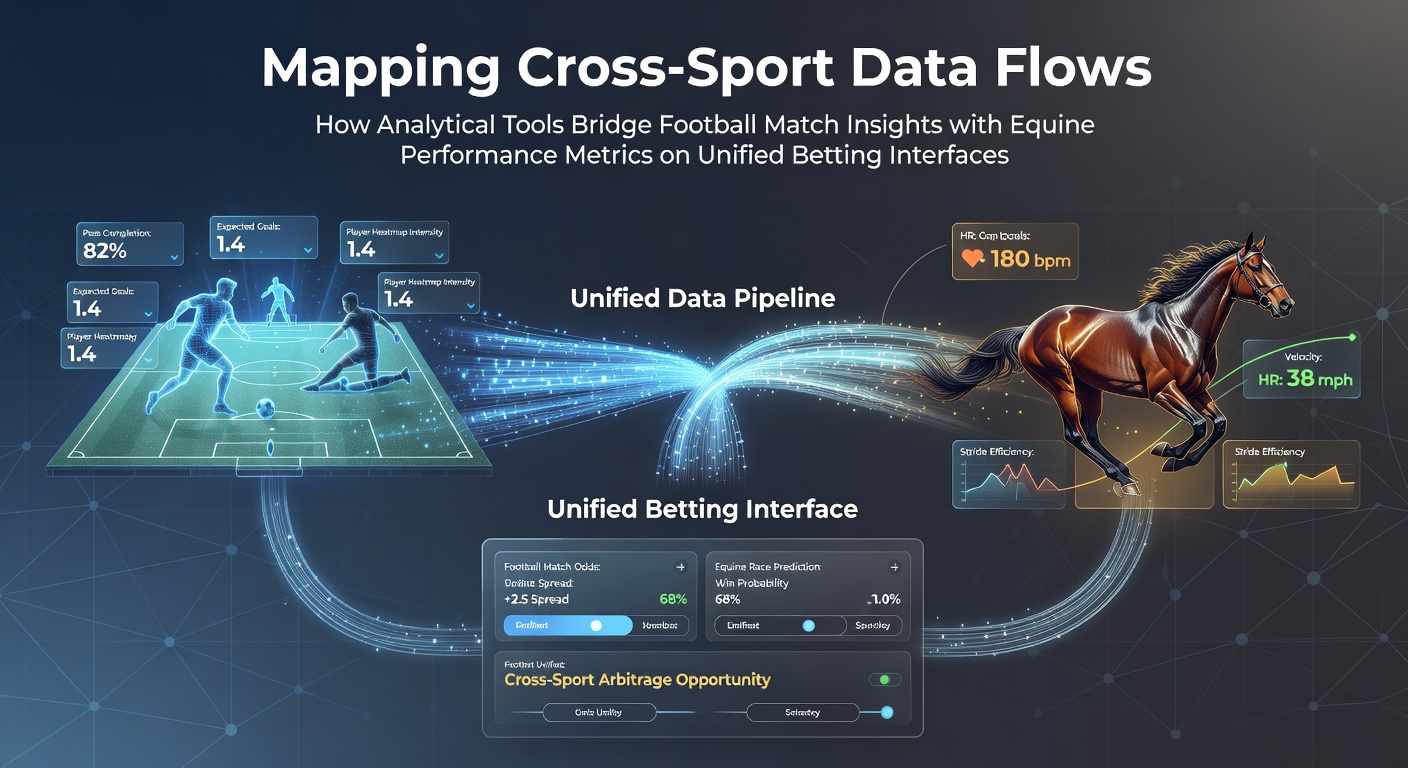
Modern betting platforms now pull live data streams from football matches and thoroughbred races into single dashboards where algorithms translate player passing accuracy alongside equine stride lengths into probability models that update in real time. Researchers at institutions across North America and Europe have documented how these cross-sport pipelines rely on standardized APIs that normalize metrics such as expected goals in soccer with sectional timing data from racetracks, allowing operators to surface correlated insights without requiring separate logins or apps.
Data Capture Foundations Across Two Sports
Football analytics begin with optical tracking systems installed in stadiums that record every player movement at 25 frames per second, generating coordinates later processed into heat maps and possession values. Equine performance capture uses similar high-frequency sensors embedded in saddles or attached to starting gates that measure acceleration bursts and heart-rate variability over each furlong. Observers note that once both datasets enter cloud repositories, normalization layers strip away sport-specific units so a midfielder’s progressive carries per 90 minutes can sit beside a horse’s average speed in the final 400 meters on the same comparative scale.
Integration Technologies Driving Unified Interfaces
Specialized middleware platforms apply graph databases to link disparate events, connecting a corner kick outcome in a Premier League fixture to a late surge by a favored runner at a major meet through shared variables like surface condition or atmospheric pressure. These connections surface on mobile interfaces as layered visualizations where users toggle between football heat maps and equine pace figures while the underlying models recalculate odds across both markets simultaneously. Data shows that operators adopting such bridges report higher session retention because bettors can explore cross-referenced scenarios without switching contexts.
Industry reports from the European Gaming and Betting Association highlight how regulatory sandboxes in several member states have tested these unified feeds since 2024, confirming that latency remains under two seconds when streaming combined datasets to end users. What's interesting is that the same pipelines also support responsible gambling overlays, flagging unusual patterns whether they appear in multi-leg soccer accumulators or exotic horse-racing wagers.
Practical Applications for Bettors and Operators
Take one operator who integrated a third-party analytics suite in early 2025 and subsequently offered users the ability to view a striker’s shot-conversion rate next to a jockey’s win percentage on identical wet tracks. Bettors using the feature frequently adjusted stakes across both sports within single sessions, according to anonymized platform telemetry shared at the 2025 Gaming Analytics Summit in Toronto. The approach reduces friction because a single wallet and one set of risk controls govern activity that previously required separate football and racing tabs.
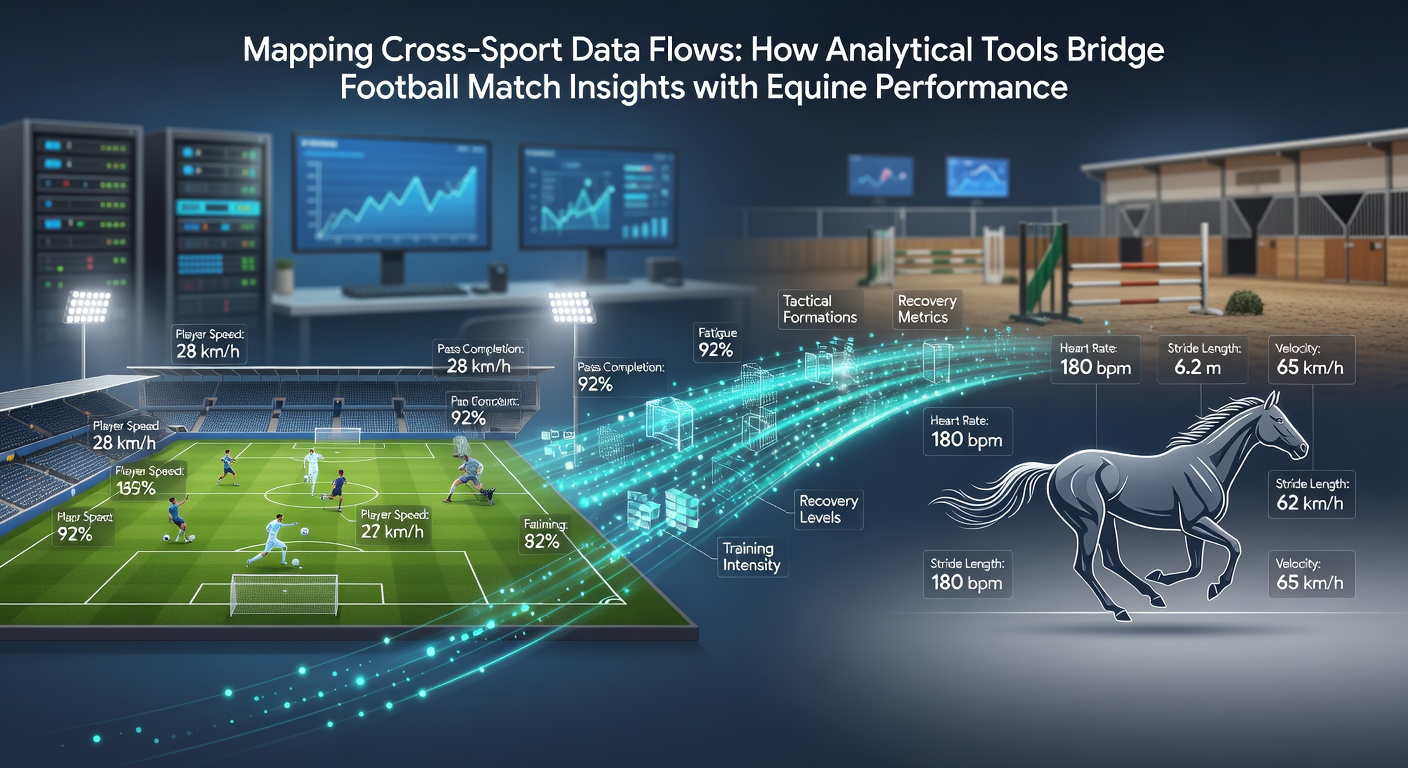
Further developments scheduled for May 2026 include API upgrades that will incorporate satellite-derived weather layers affecting both pitch conditions and turf moisture levels, giving algorithms richer context for simultaneous football and racing predictions. Those upgrades follow pilot programs conducted by Australian wagering regulators that demonstrated measurable improvements in forecast accuracy when environmental variables from both domains feed into the same machine-learning models.
Future Trajectory and Platform Evolution
Academic papers published by sports-science departments at universities in Canada and Australia continue to explore how transfer-learning techniques originally developed for one sport adapt to the other with minimal retraining. These studies indicate that models pre-trained on football tracking data can reach competitive equine-performance benchmarks after exposure to only a fraction of the race-day records normally required. Operators monitoring these findings position themselves to launch enhanced interfaces that surface such cross-trained predictions directly within unified wallets and cash-out tools.
Platform roadmaps circulating among trade associations point to deeper embedding of these analytics in loyalty programs where users accumulate rewards based on engagement with either sport yet view combined performance dashboards. The infrastructure already supports regulatory reporting requirements in multiple jurisdictions because every data point carries provenance tags tracing back to its source feed, whether a goal-line technology camera or a racecourse timing beam.
Conclusion
Unified betting interfaces continue to evolve as analytical tools map increasingly granular connections between football match events and equine performance variables. Data flows that once remained siloed now converge through standardized pipelines, graph-based linkages, and scheduled 2026 upgrades that incorporate broader environmental inputs. Industry observers track these developments through reports from bodies such as the European Gaming and Betting Association and academic centers in North America and Australia, confirming that the technical foundations for seamless cross-sport insight delivery are already operational across leading platforms.