Encryption Standards in Mobile Wallets Reshape Accumulator Building for Soccer and Thoroughbred Markets
Written by Taylor Zimmermann · May 27, 2026

Encryption Standards in Mobile Wallets Reshape Accumulator Building for Soccer and Thoroughbred Markets
Security protocols embedded in digital wallets now determine how bettors construct accumulators across football and horse racing platforms, with multi-factor authentication and end-to-end encryption serving as foundational elements that reduce transaction friction while maintaining compliance standards. Platforms integrate these layers to support rapid deposit sequences required for multi-leg wagers, allowing users to combine selections from premier leagues and race meetings without repeated verification delays. Data from industry reports show that wallet providers employing biometric verification alongside tokenization have recorded higher completion rates for complex accumulator tickets compared to those relying solely on password systems.
Core Security Components Driving Platform Integration
Tokenization replaces sensitive card details with unique identifiers during each transaction, which enables seamless funding of accumulator positions across multiple events; observers note this process cuts processing times from several minutes to under thirty seconds on optimized applications. Encryption at rest and in transit protects user balances while regulatory frameworks in various jurisdictions require these measures to prevent unauthorized access during high-volume betting periods. Biometric layers such as fingerprint and facial recognition further streamline login procedures, permitting bettors to adjust accumulator stakes mid-session when odds shift in live football matches or ante-post racing markets.
Researchers at institutions including the University of Nevada, Las Vegas have examined transaction logs from integrated sportsbook systems and found correlations between advanced wallet security and increased frequency of accumulator submissions, particularly where users link a single verified wallet across soccer and equine platforms. These studies highlight how reduced authentication friction supports strategic layering of bets, from combining goal scorers with over/under totals to pairing horse race winners with place accumulators.
Accumulator Construction Patterns in Football Markets
Football accumulators often span several matches across domestic and European competitions, requiring coordinated deposits that security protocols must accommodate without triggering additional holds. When wallets incorporate real-time fraud detection algorithms, platforms can approve larger stake transfers instantly, allowing bettors to finalize multi-leg selections before kickoff deadlines. Industry data indicate that sites offering wallet-linked instant top-ups experience elevated volumes of four-fold and five-fold accumulators during peak weekends, since users avoid delays associated with manual bank approvals.
Cross-Market Shifts Toward Racing Parlays
Horse racing platforms apply similar wallet security frameworks to handle accumulator bets on racecards that feature multiple meetings, from afternoon flat races to evening jumps fixtures. Encryption standards ensure that simultaneous funding of exotic bets such as doubles and trebles remains protected, while audit trails satisfy oversight requirements from bodies like the European Gaming and Betting Association. Bettors frequently transfer funds between football and racing sections within the same application, relying on persistent wallet authentication to maintain session continuity and avoid re-verification steps.
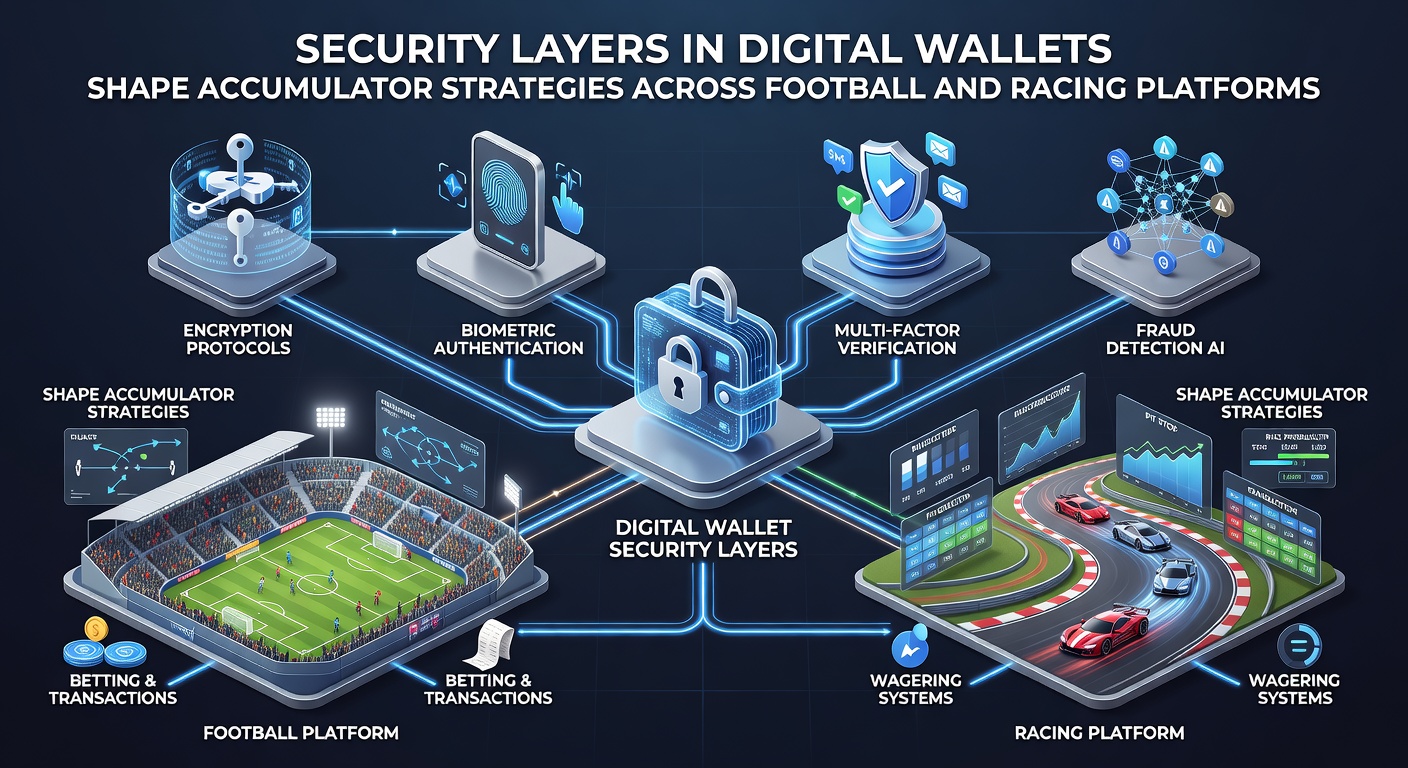
Patterns emerge where users build hybrid accumulators that include both football results and horse race outcomes, supported by wallets that permit rapid balance checks across categories. Security features such as transaction limits and velocity controls help manage exposure on these combined selections, preventing over-commitment during volatile market movements. Reports compiled by the North American Association of State and Provincial Lotteries document rising adoption of such cross-discipline strategies in regions where digital wallets dominate deposit methods.
Regulatory and Technological Alignment Around 2026
Platform operators continue refining wallet integrations ahead of scheduled industry adjustments expected in May 2026, when several major betting environments plan infrastructure updates to align with evolving encryption mandates. These changes emphasize compatibility between wallet providers and sportsbook backends, ensuring accumulator workflows remain uninterrupted during transition periods. Data tracking from wallet analytics firms reveals that sites with preemptive security upgrades maintain steadier accumulator volumes compared to those implementing changes reactively.
Wallet providers collaborate with platform developers to embed adaptive security that scales with bet complexity, automatically elevating verification tiers for high-stake accumulators while preserving speed for smaller single selections. This layered approach supports both football markets characterized by frequent score updates and racing platforms where results finalize in quick succession, allowing bettors to monitor and modify positions without security interruptions.
Conclusion
Security layers within digital wallets continue to influence accumulator strategies by balancing protection requirements with operational efficiency across football and racing platforms. Encryption, tokenization, and biometric controls collectively reduce barriers to multi-leg betting, while compliance frameworks ensure these tools operate within established guidelines. As platforms prepare for infrastructure shifts in 2026, the interplay between wallet technology and betting mechanics remains central to how users approach combined selections in both disciplines.