Illegal Gambling Surge Dominates BGC's 2026 Annual General Meeting as Tax Hikes Spark Black Market Alarms
Written by Carlo Powell · Mar 28, 2026

Illegal Gambling Surge Dominates BGC's 2026 Annual General Meeting as Tax Hikes Spark Black Market Alarms
The Sharp Rise in Illegal Betting Activity
Data presented at the Betting and Gaming Council's (BGC) Annual General Meeting in March 2026 revealed a dramatic escalation in illegal gambling, now accounting for 10% to 12% of all betting activity in the UK, up sharply from just 0.5% five years earlier; this surge involves around 1.5 million users who wager approximately £10 billion annually, figures that grabbed attention from industry leaders and regulators alike.
What's interesting is how quickly this black market has grown, turning what was once a marginal issue into a dominant topic at the AGM, where attendees dissected the numbers and their implications for the regulated sector; observers note that such growth signals deeper challenges, especially as legal operators face mounting pressures.
Take the user base, for instance: 1.5 million people engaging in unregulated betting isn't a small figure, and with £10 billion flowing through these channels each year, the scale becomes clear; experts who analyzed the data highlighted how this shift erodes revenue from licensed platforms, potentially weakening consumer protections along the way.
But here's the thing: this isn't happening in a vacuum, since recent policy changes play a key role, driving punters toward offshore sites that dodge taxes and oversight; those who've tracked the trends over the past half-decade point out that the jump from 0.5% to double digits underscores a tipping point, one where the rubber meets the road for the industry's sustainability.
Industry Leaders Sound the Alarm on Tax Pressures
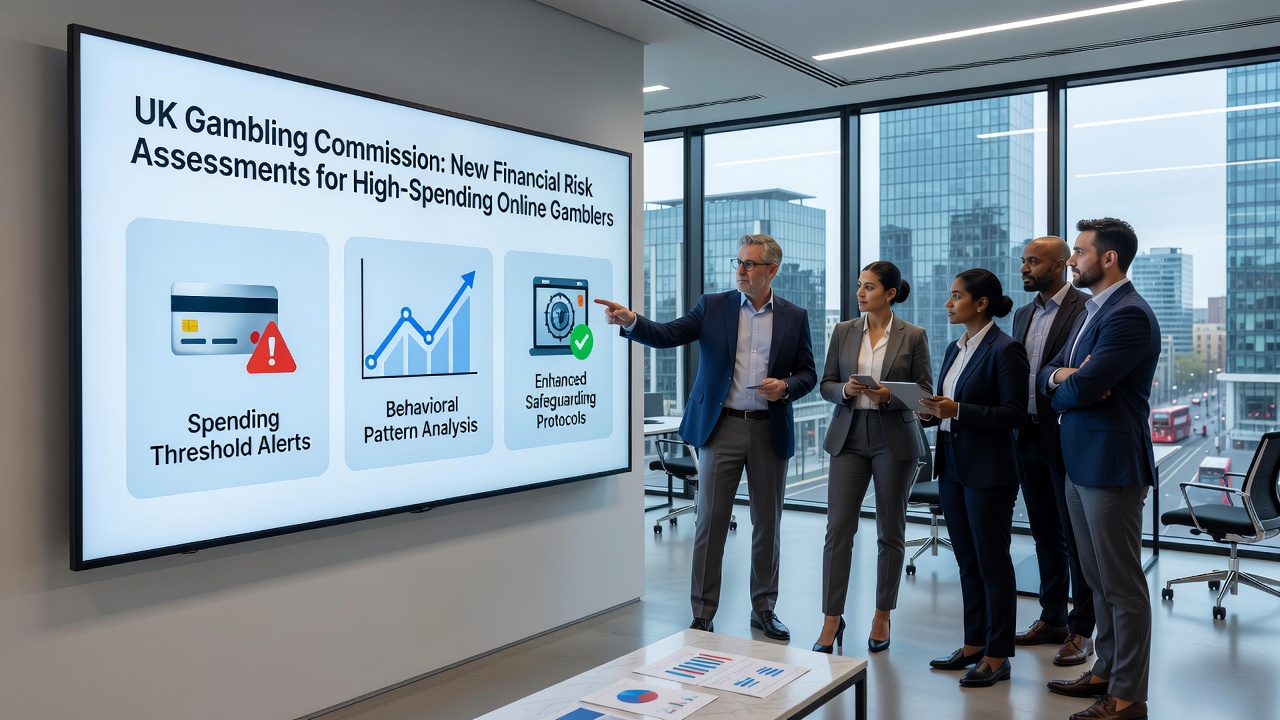
BGC CEO Grainne Hurst led the charge at the meeting, warning that hikes in the Remote Gaming Duty (RGD), combined with proposed Financial Risk Assessments, are pushing consumers straight into the arms of unregulated platforms; according to her statements, these measures could divert an additional £500 million to the black market, compounding the existing £10 billion already lost.
And while the regulated sector contributes billions in taxes and supports jobs across the UK, Hurst emphasized how higher duties make licensed operators less competitive, especially against illegal sites that offer better odds without the regulatory burden; people in the room nodded along, recognizing that the ball's in the government's court to balance revenue goals with market integrity.
Turns out, the discussions delved into specifics: RGD increases squeeze margins for online betting firms, prompting some users to seek alternatives where they can bet without limits or checks; researchers who've studied similar dynamics in other markets note that such tax hikes often accelerate black market growth, a pattern now evident in the UK's 10-12% illegal share.
One case that came up involved everyday punters frustrated by compliance costs passed on through higher prices, leading them to apps and sites operating beyond UK jurisdiction; it's noteworthy that Hurst's projections of £500 million more in lost revenue paint a stark picture, one that could strain public funds if illegal operators fail to contribute their share.
Yet the AGM wasn't just complaints; industry voices called for collaborative fixes, urging policymakers to reconsider assessments that might further tilt the playing field.
Government and Regulator Responses Take Shape
UK Gambling Commission official Ian Angus and Minister Baroness Fiona Twycross didn't shy away from the concerns, acknowledging the illegal gambling threat as a priority during their AGM addresses; in response, they announced £26 million in new funding dedicated to combating the issue, alongside the launch of an Illegal Gambling Taskforce.
This taskforce brings together tech firms, law enforcement, and other stakeholders to tackle unregulated platforms head-on, a move that signals commitment even as tax policies draw fire; data indicates the funding will bolster detection tools and enforcement actions, targeting the 1.5 million users and £10 billion in illicit wagers.
So now, with the taskforce in play, observers expect coordinated raids, better monitoring of offshore operators, and tech-driven blocks on illegal sites; Angus stressed how partnerships with private sector tech experts could disrupt the black market's tech infrastructure, making it harder for unregulated bets to thrive.
Baroness Twycross, meanwhile, framed the response within broader safer gambling goals, noting that while duties fund public services, the illegal surge undermines those very protections; it's interesting how the £26 million allocation comes at a time when illegal activity has ballooned to 12%, providing a timely counterpunch.
People who've followed past initiatives recall that similar taskforces have yielded results elsewhere, shutting down rogue operators and recovering funds; here, the focus on collaboration suggests a multi-front attack, from digital takedowns to user education campaigns.
Breaking Down the Numbers and Broader Implications
Let's unpack those key stats a bit more: five years ago, illegal gambling hovered at 0.5% of activity, a blip on the radar; fast-forward to March 2026, and it's 10-12%, with 1.5 million participants fueling £10 billion in bets that bypass all safeguards.
Combine that with the projected £500 million additional shift due to RGD hikes and risk assessments, and the stakes rise considerably; experts calculate that licensed operators lose not just revenue but also the chance to enforce age checks, addiction safeguards, and fair play standards.
Now consider the user side: many of those 1.5 million are likely former customers of legal sites, lured by promises of no-limits betting or better payouts; studies from similar markets show that once punters go offshore, bringing them back proves tough, especially if black market sites mimic trusted brands.
But here's where it gets interesting: the BGC's AGM data ties the surge directly to policy tweaks, with Hurst's warnings about Financial Risk Assessments adding fuel to the fire; these assessments, aimed at high-risk players, could inadvertently push moderate bettors underground, amplifying the 12% share even further.
One researcher who reviewed the figures noted how £10 billion represents a massive untaxed pool, equivalent to lost contributions for healthcare, education, and more; that's the reality, a hidden economy thriving amid regulatory squeezes.
And while the £26 million taskforce offers hope, its success hinges on execution, with tech firms providing AI tools to spot illegal traffic and law enforcement ramping up prosecutions; early signs point to aggressive moves, but the black market's adaptability means vigilance remains key.
Stakeholder Reactions and Future Outlook
Attendees at the BGC AGM, from operators to affiliates, reacted with a mix of urgency and optimism; Grainne Hurst's leadership framed the day, as she rallied for policy reversals on duties while praising the government's taskforce pledge.
Ian Angus from the Gambling Commission outlined tech integrations already underway, like payment blocks on suspect sites, which have curbed illegal flows in pilot programs; Baroness Twycross echoed this, committing to quarterly progress reports on the £26 million spend.
So as March 2026 wraps, the industry watches closely: will tax pressures continue fueling the 10-12% illegal boom, or can the taskforce reclaim that £10 billion territory; observers who've seen these cycles before know that sustained action matters most, blending enforcement with smarter regulations.
There's this case from a few years back where a similar UK crackdown halved illegal bets temporarily, but lax follow-up let them rebound; those lessons inform today's strategy, emphasizing long-term tech and legal muscle.
Ultimately, the AGM spotlighted a crossroads, where data on 1.5 million users and £500 million risks demand unified responses.
Conclusion
The BGC's 2026 Annual General Meeting laid bare the illegal gambling surge, with figures showing 10-12% of activity now black market-driven, up from 0.5%, involving £10 billion and 1.5 million users; Grainne Hurst's cautions on tax hikes and risk assessments, projecting £500 million more losses, met firm government pushback through £26 million funding and a new taskforce led by Ian Angus and Baroness Fiona Twycross.
As collaborations with tech and enforcement gear up, the path forward hinges on execution; data underscores the urgency, while stakeholder unity offers a blueprint for restoring balance to the UK's betting landscape.