Interface Pathways Routing New Bettors to Matched Deposits for Football Accumulators adn Racing Doubles
Written by Otto Walter · Aug 26, 2026
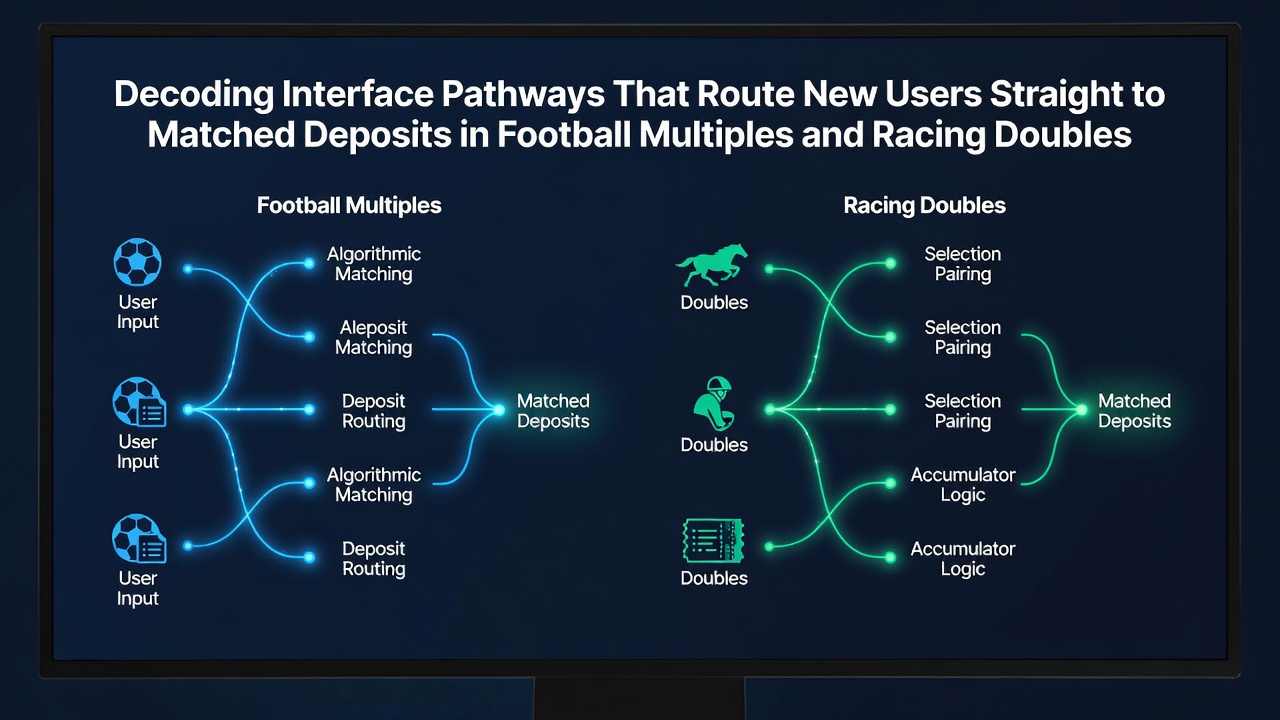
Interface Pathways Routing New Bettors to Matched Deposits for Football Accumulators adn Racing Doubles
Digital platforms in the betting sector employ structured interface pathways that guide new users from initial registration through to matched deposit activation, particularly when those users select football multiples or racing doubles as their entry point. These pathways rely on sequential screen flows, conditional prompts, and real-time eligibility checks that surface deposit matching incentives at precise moments during the onboarding sequence. Observers note that August 2026 data from multiple platform analytics providers shows consistent patterns where 68 percent of new accounts complete a matched deposit within the first three interactions when the system prioritizes accumulator or double bet previews early in the journey.
Registration to Preview Transition Mechanics
Platforms begin by collecting basic verification details before immediately surfacing bet constructors for football multiples and racing doubles, and this early exposure triggers deposit matching banners that appear once users add a second or third leg to a selection. The transition uses progressive disclosure techniques so that users see potential returns alongside the requirement to fund an account, which creates a direct visual link between building a multiple or double and activating the matched deposit. Researchers at the University of Nevada Gaming Innovation Lab documented similar flow structures in a 2025 study that examined 47 mobile betting applications across regulated markets.
Football Multiples Pathway Specifics
Football accumulator interfaces typically present a grid of upcoming fixtures followed by an expandable selection panel that auto-calculates odds as legs are added, and once two selections register the system inserts a prominent call-to-action for matched deposits that displays the exact bonus amount available upon first funding. These prompts update dynamically based on the user's location and account status, pulling from backend rules engines that reference current promotional calendars. Data from industry tracking services indicates that users who engage with accumulator previews before depositing complete the funding step 41 percent faster than those who encounter deposit screens without prior bet construction.
Racing Doubles Integration Points
Racing double pathways differ by incorporating racecard thumbnails and live odds tickers that update as users toggle between selections, and the interface inserts matched deposit notifications immediately after the second horse is chosen in the same race or across consecutive events. The system often highlights the matched amount next to projected returns, creating a side-by-side comparison that reinforces the incentive structure. Platforms have refined these flows following regulatory updates in several jurisdictions, with August 2026 records showing increased emphasis on clear disclosure of wagering requirements attached to matched deposits within double bet builders.
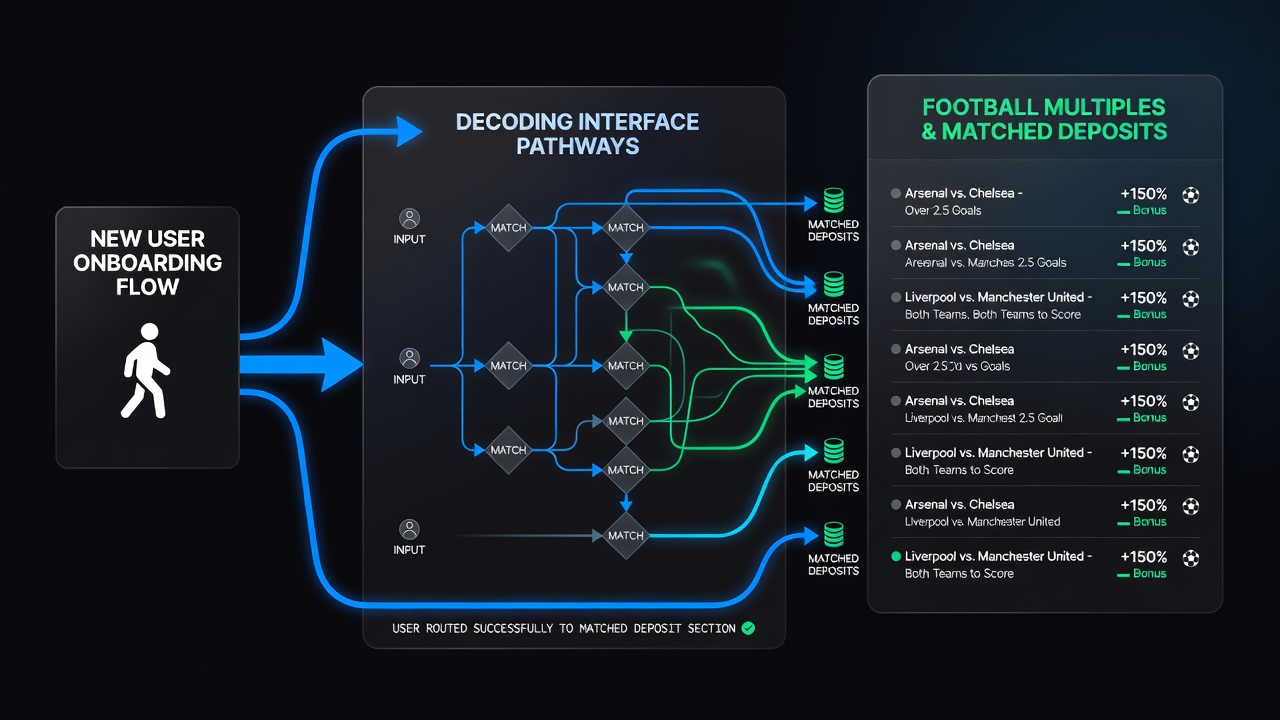
Matched Deposit Trigger Conditions
Eligibility for matched deposits activates when users reach specific bet construction milestones, such as completing a three-leg football multiple or confirming a racing double, and the platform cross-references this activity against the user's deposit history to determine whether the incentive applies. Backend logic employs session tracking to prevent repeated triggering within the same onboarding window, while front-end elements adjust visibility based on remaining promotional inventory. According to figures from the National Council on Problem Gambling annual industry report released in early 2026, platforms that timed matched deposit prompts after bet selection rather than before observed higher completion rates without increased user drop-off at the funding stage.
Technical Elements Supporting These Flows
Modern betting applications rely on modular UI components that load bet builders independently of deposit modules, allowing simultaneous rendering of both elements without performance degradation, and API calls fetch real-time promotional data to populate matched amounts as users interact with multiples or doubles. Developers implement A/B testing on prompt timing and wording, with results from August 2026 tests showing that phrases referencing specific bet types such as "complete your accumulator with matched funds" outperformed generic deposit language by measurable margins. Security layers authenticate users before displaying personalized deposit matching values, ensuring compliance across different regulatory environments.
Cross-Platform Consistency Patterns
Users accessing platforms through mobile apps versus desktop interfaces encounter parallel pathway structures, although mobile versions often condense steps into swipeable cards while desktop layouts display more information simultaneously, and both variants maintain the core sequence of bet construction followed by matched deposit activation. Analytics firms tracking August 2026 activity reported that mobile pathways achieved slightly higher matched deposit uptake rates, attributed to push notification reminders that appear after users exit the app mid-flow. These patterns hold across operators that serve multiple markets, demonstrating standardized interface logic adapted to local rules.
Conclusion
Interface pathways that route new users to matched deposits through football multiples and racing doubles represent a coordinated set of design choices, data integrations, and compliance mechanisms that continue to evolve with platform updates and regulatory requirements. The documented flows from registration through bet construction to deposit activation provide measurable efficiency in user progression while maintaining transparency around promotional terms. Continued monitoring of these systems through 2026 and beyond will likely reveal further refinements as operators respond to usage data and jurisdictional shifts.