The Progression of Accumulator Insurance Mechanisms in Digital Wagering Platforms
Written by Taylor Zimmermann · Jul 13, 2026
The Progression of Accumulator Insurance Mechanisms in Digital Wagering Platforms
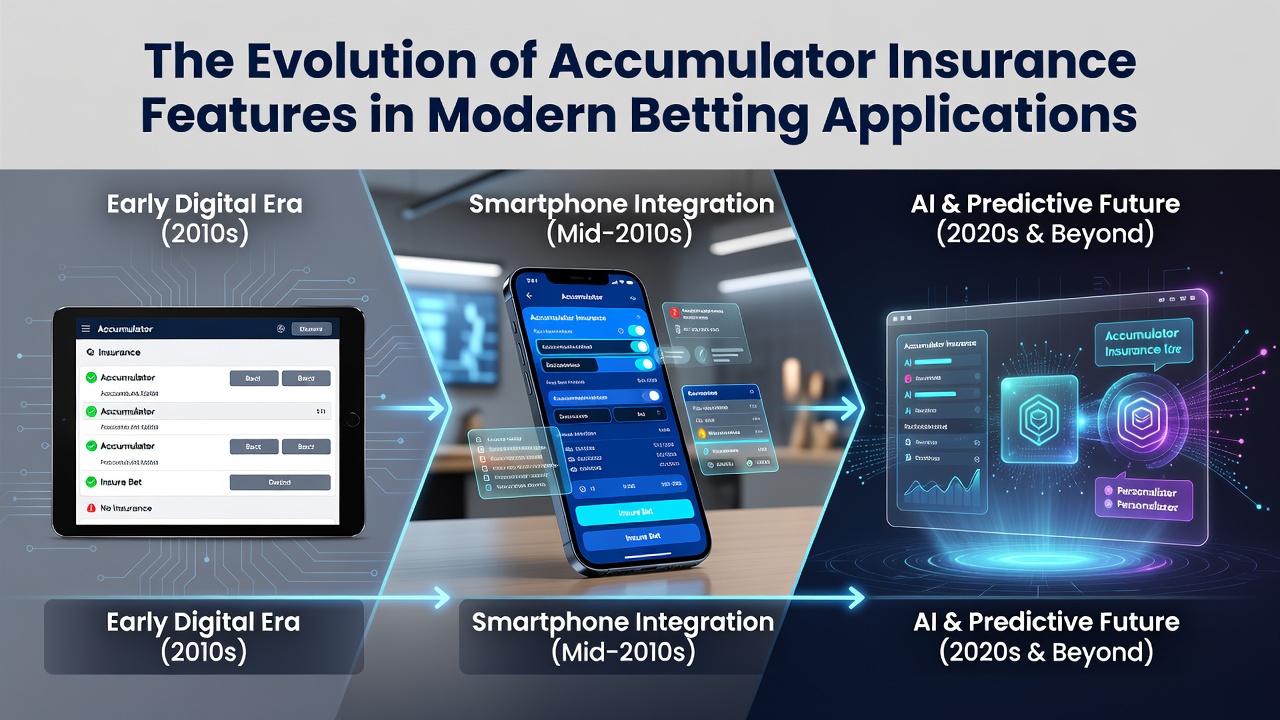
Accumulator bets, which combine multiple selections into one wager for higher potential returns, have long carried elevated risk due to the requirement that every leg must succeed. Accumulator insurance emerged as a response to this structure, initially offering straightforward refunds when a single selection failed. Data from industry reports shows these features first appeared in basic forms during the early 2000s on desktop platforms before migrating to mobile applications around 2012.
Initial Implementations and Basic Refund Structures
Early versions focused on money-back promotions tied to specific sports such as football and horse racing. Operators provided full stake refunds if an accumulator lost by exactly one leg, with eligibility often restricted to minimum odds thresholds. According to records maintained by the Australian Gambling Research Centre, similar refund mechanics appeared in regulated markets by 2014, coinciding with the expansion of smartphone usage among bettors.
These systems operated through manual claim processes that required users to contact support after results settled. Processing times averaged several business days, and coverage applied only to pre-selected bet types. Observers note that adoption remained limited until integration with automated verification tools reduced administrative overhead.
Introduction of Real-Time Adjustments and Partial Coverage
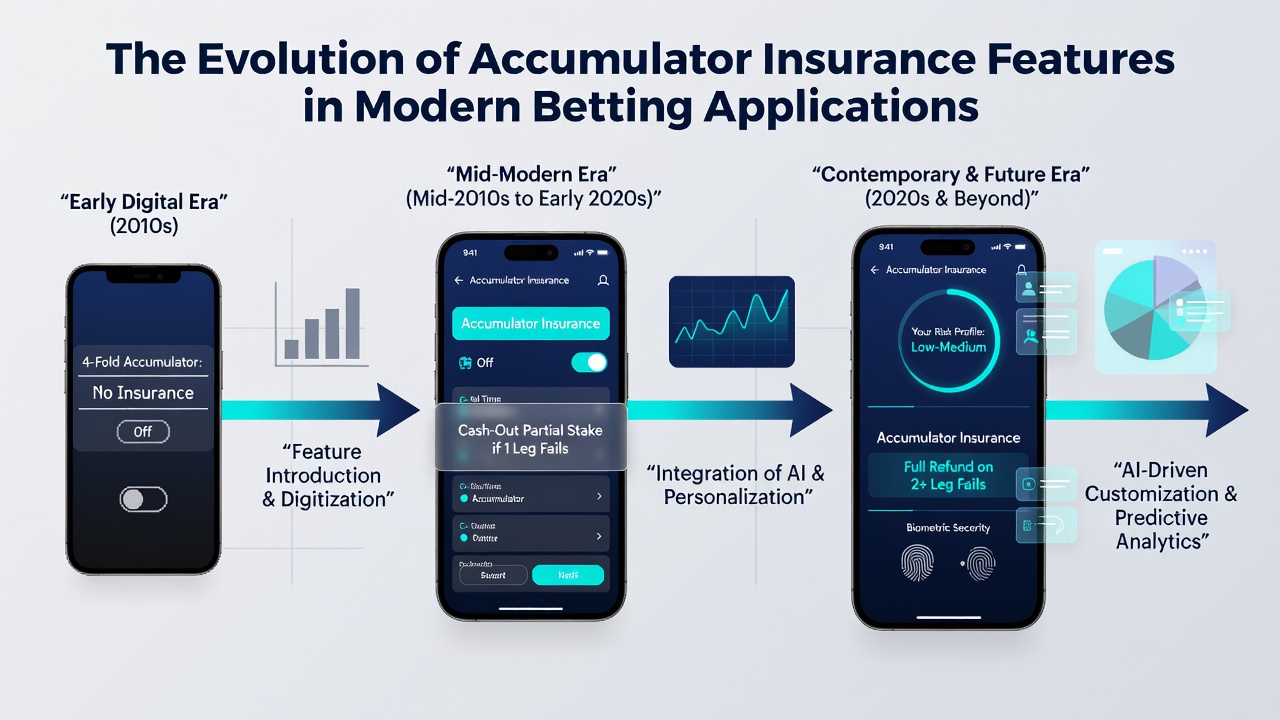
By 2018 platforms began incorporating cash-out options that allowed users to settle accumulators before all legs concluded. This shift marked a departure from post-event refunds toward dynamic risk management. Partial insurance followed shortly afterward, reimbursing a percentage of the stake when multiple selections failed within defined parameters.
Developers embedded algorithms that calculated live probabilities and adjusted insurance availability accordingly. In July 2026 several major applications expanded these tools to include customizable thresholds where users could select coverage levels before placing bets. Figures from the European Gaming and Betting Association indicate that such features appeared in over 60 percent of surveyed mobile applications during that period.
Integration with Data Analytics and Personalization
Modern accumulator insurance relies on extensive datasets that track historical performance across leagues and events. Applications now analyze user behavior to offer tailored suggestions, such as insurance on specific legs based on recent form or weather conditions in racing. This approach emerged from partnerships between operators and analytics firms that supply real-time feeds.
Researchers at the University of Nevada's International Gaming Institute documented how these systems reduced average loss exposure for participants who activated insurance compared with unprotected accumulators. The study examined transaction logs from multiple jurisdictions and found measurable differences in bet retention rates after insurance activation became a standard toggle.
Regulatory Influences and Cross-Border Variations
Frameworks in different regions shaped feature availability. Canadian provincial regulators required clear disclosure of insurance terms starting in 2020, which prompted standardized language across applications. Australian authorities later introduced similar requirements that emphasized payout timelines and eligibility criteria.
These rules encouraged operators to refine verification processes and limit disputes. In July 2026 updates to certain licensing conditions further specified how insurance promotions must appear in promotional materials, ensuring consistency between advertised benefits and actual outcomes.
Technical Enhancements in Mobile Environments
Contemporary applications deliver insurance through seamless in-app interfaces that update in real time. Users can toggle coverage mid-bet construction while viewing projected returns under different failure scenarios. Backend systems connect to multiple data providers to confirm results within minutes of event completion, triggering automatic credit where applicable.
Security protocols now include encrypted transaction logs that record every insurance activation. This infrastructure supports rapid audits and complies with data protection standards across operating regions. Those who have examined platform architectures observe that these elements collectively reduced processing errors that characterized earlier manual systems.
Future Trajectories Based on Current Patterns
Continued development points toward deeper embedding of machine learning models that predict optimal insurance points during live events. Integration with wearable devices for location-based verification represents one emerging direction, while voice-activated bet adjustments appear in testing phases on select platforms.
Conclusion
Accumulator insurance has moved from static refund offers to sophisticated, data-driven tools embedded within mobile applications. Each stage built upon prior capabilities, incorporating regulatory feedback and technological advances along the way. Patterns observed through mid-2026 suggest ongoing refinement focused on user control and processing efficiency across global markets.