Tracing Instant Transaction Networks Across Combined Betting and Gaming Platforms
Written by Sam Otto · Jul 20, 2026
Tracing Instant Transaction Networks Across Combined Betting and Gaming Platforms
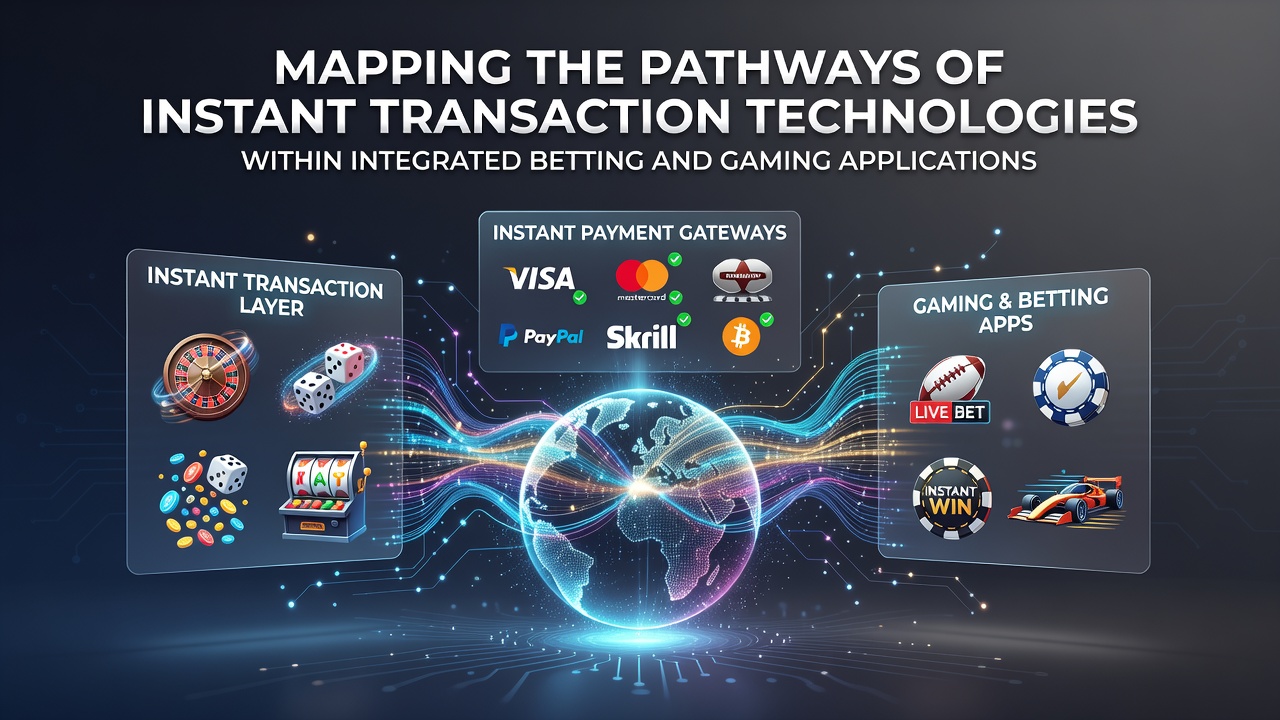
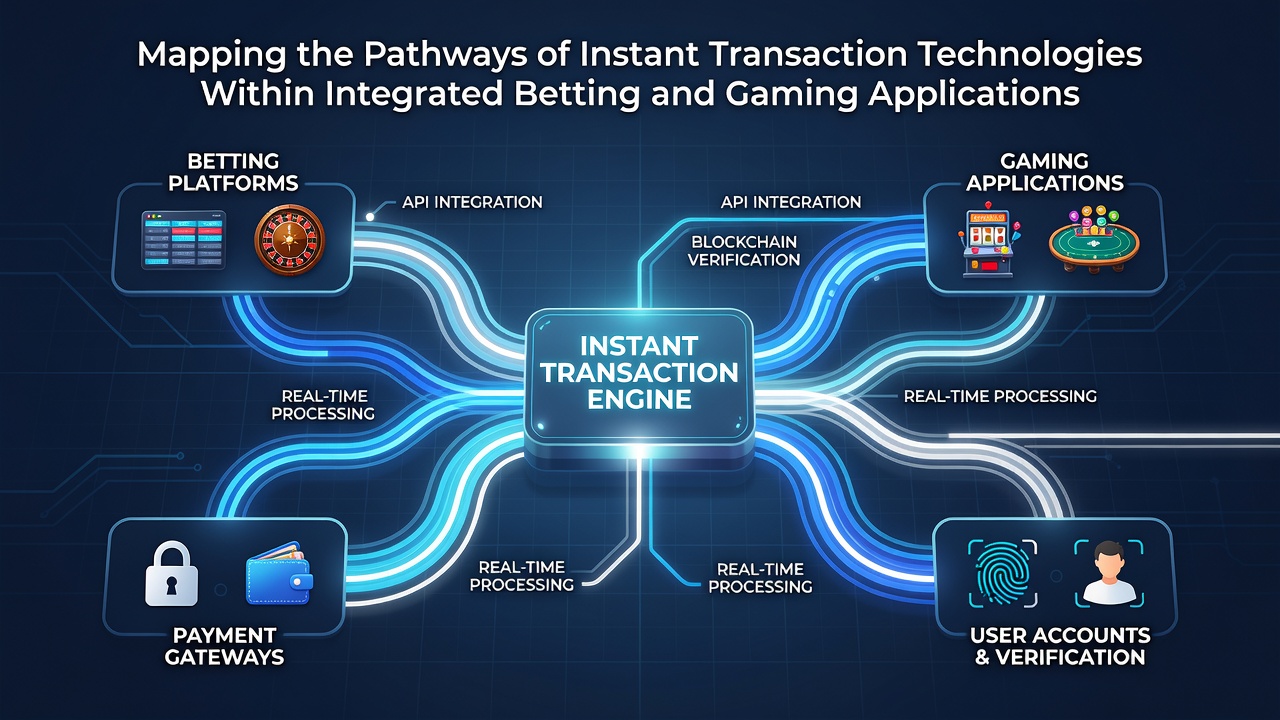
Integrated betting and gaming applications now rely on layered transaction systems that move funds between users, operators, and financial partners in seconds rather than hours or days. These networks combine application programming interfaces, digital wallet connections, and settlement engines to handle deposits, in-play adjustments, and withdrawals within a single session. Observers note that the architecture typically starts at the user device, passes through an operator's risk and compliance layer, and reaches external processors before returning confirmation to the app interface.
Core Components of Real-Time Payment Routes
Multiple elements operate in sequence to achieve the speed users expect. Application-level triggers initiate requests when a player selects a funding method or requests a payout, while backend orchestration tools route the data through authentication checks and fraud filters. Payment gateways then interface with banking rails or cryptocurrency nodes, and settlement occurs once verification completes. Data indicates that many platforms maintain redundant pathways so that if one processor experiences delay, traffic shifts automatically to an alternate route without interrupting the user experience.
Researchers who examined transaction logs from several multi-product operators found that the average end-to-end time for an approved deposit now sits below four seconds in optimized environments. The same studies recorded withdrawal approvals completing inside ninety seconds when e-wallet balances were used instead of traditional bank transfers. These figures reflect improvements in both network latency and the parallel processing of identity verification steps.
Integration Patterns Across Sports Betting and Casino Modules
Applications that combine horse racing, football markets, and casino games must maintain a unified ledger while supporting distinct regulatory requirements for each vertical. Transaction engines therefore tag every movement with metadata that identifies the product category, allowing compliance teams to apply jurisdiction-specific rules automatically. Experts have observed that this tagging occurs at the moment a user balance changes rather than during later reconciliation, which reduces the window for mismatched reporting.
One documented approach involves a central transaction bus that sits between the front-end app and multiple external providers. The bus accepts standardized messages from the betting engine and the slots server, converts them into the formats required by each payment partner, and returns unified status updates. This design lets developers add a new casino title or sports market without rewriting payment code for every integration.
Security and Compliance Layers in July 2026
By July 2026 several operators had deployed behavioral analytics that monitor transaction velocity alongside betting patterns. When an account shows rapid movement between deposit and withdrawal actions, additional verification steps activate before funds leave the platform. Regulators in multiple jurisdictions now require these controls to be auditable in real time, prompting vendors to expose API endpoints that deliver anonymized logs directly to oversight bodies.
According to information published by the Nevada Gaming Control Board, transaction monitoring systems processed more than 1.2 billion events during the first half of 2026 with an average false-positive rate below 0.3 percent. The same report noted that operators using machine-learning models reduced manual review workloads by 41 percent compared with rule-based systems deployed two years earlier.
Geographic Variations in Payment Pathway Design
Platforms serving European markets often prioritize open-banking connections that pull funds directly from user accounts, whereas operators focused on North American users lean more heavily on card networks and digital wallets. Australian frameworks encourage integration with local instant-payment rails such as the New Payments Platform, which settles obligations within minutes during business hours. These regional preferences shape the redundancy strategies each operator builds into its transaction map.
Industry reports from the European Gaming and Betting Association highlight that cross-border operators maintain separate compliance queues for each licensed entity even when the underlying technology stack remains shared. This separation ensures that a single transaction can be examined under multiple rule sets without creating bottlenecks for the majority of routine movements.
Conclusion
The pathways that carry instant transactions through integrated betting and gaming applications continue to evolve as new processors, regulatory mandates, and user expectations emerge. Mapping these routes requires visibility into every hop from device request to final settlement, along with an understanding of how metadata, security checks, and regional rules interact at each stage. Continued refinement of these networks supports the operational scale that modern multi-product platforms demand while meeting the oversight standards applied by authorities worldwide.